White-Rumped Shama Bird Food

White-Rumped Shama Bird Food

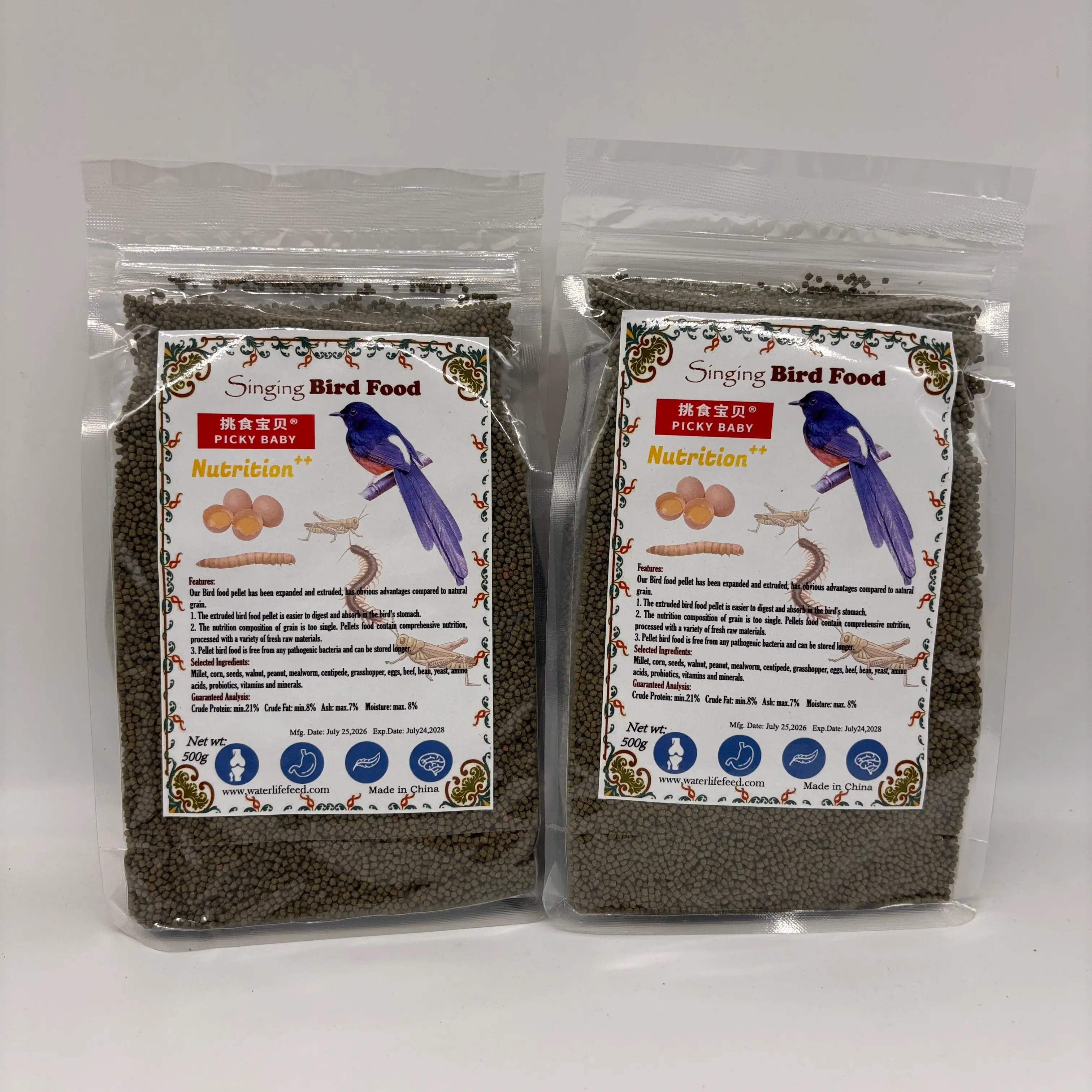
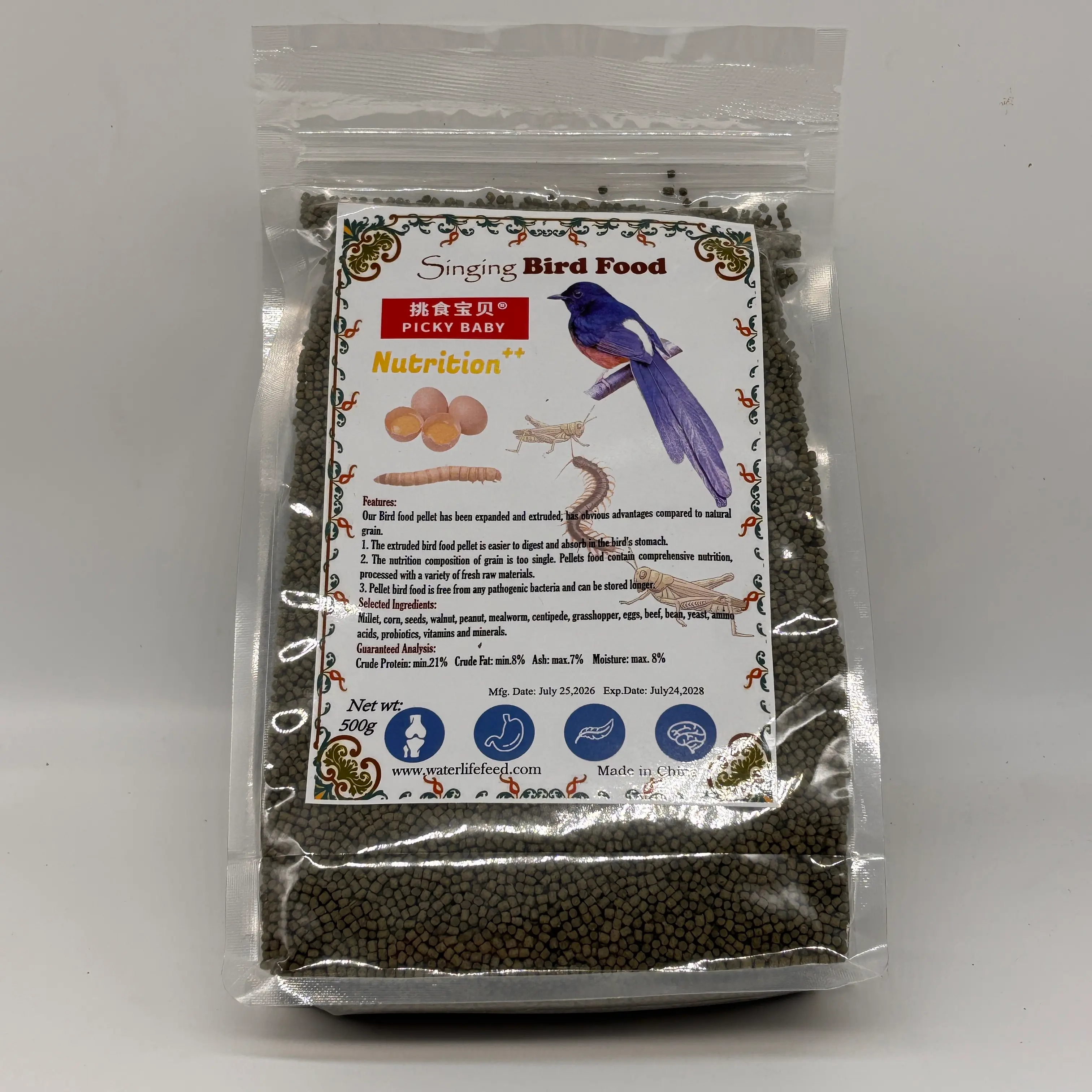
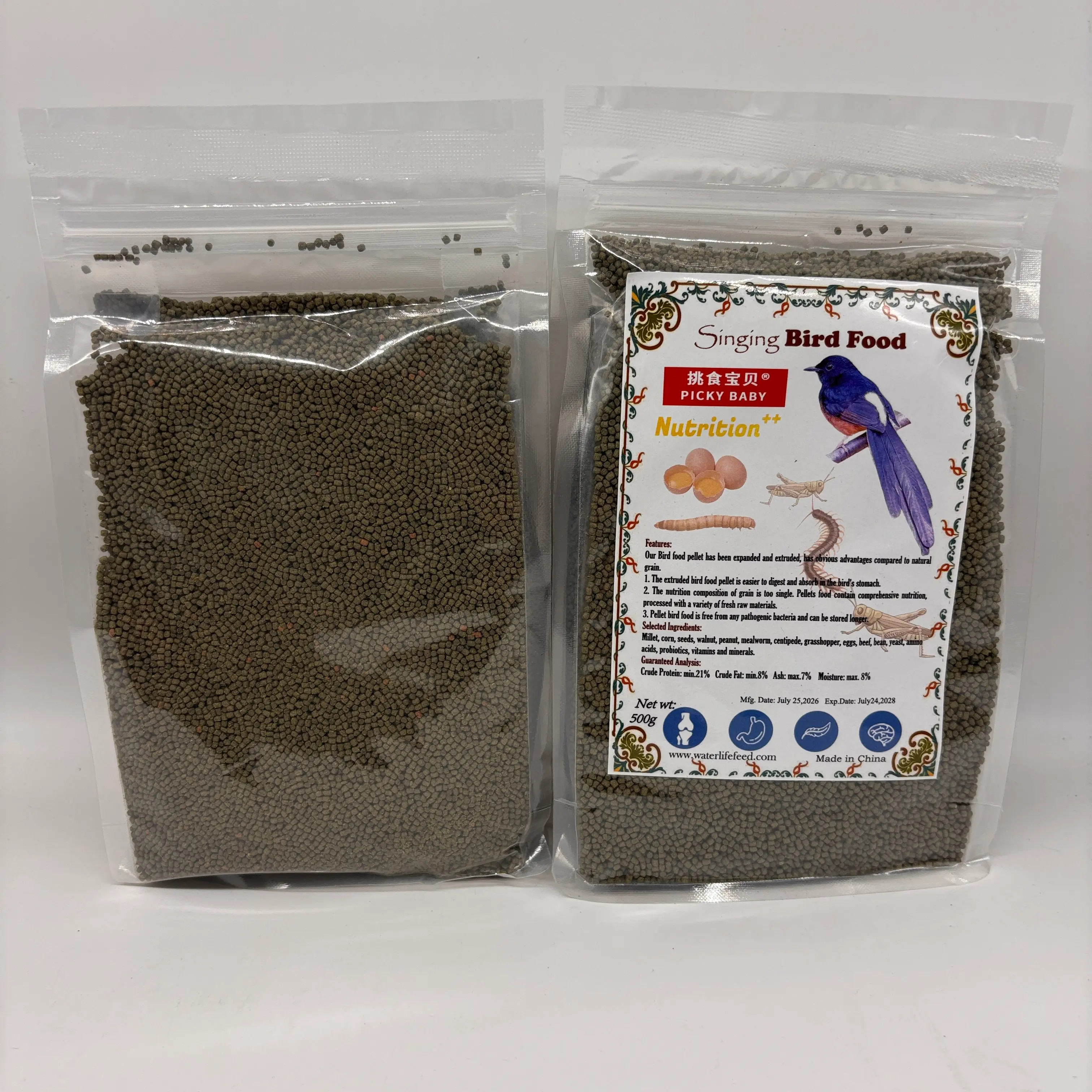
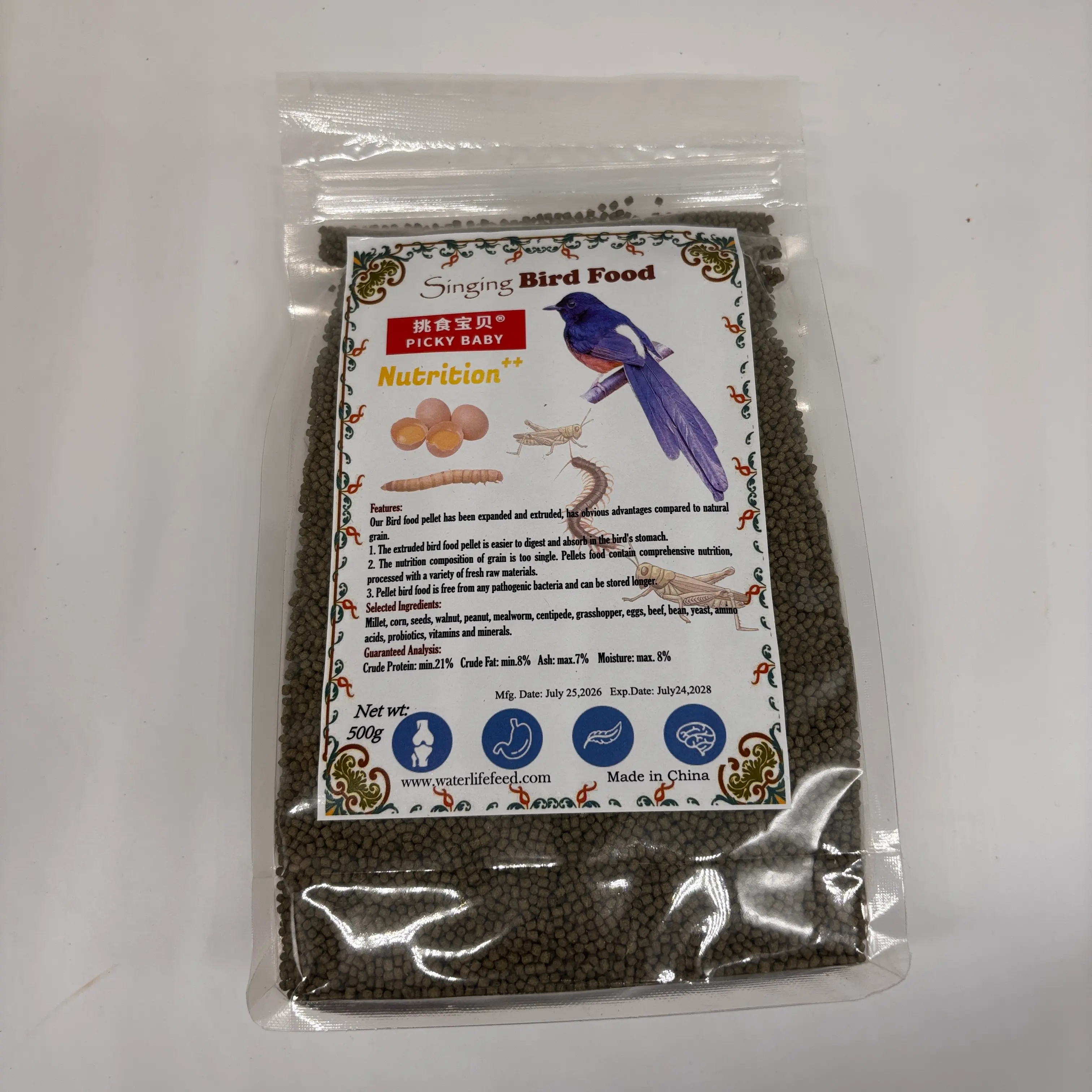
PICKY BABY® special feed for White-Rumped Shama is an exclusive secret formula authorized by Taiwanese bird experts. 500gram/jar. 24pcs/ctn.
Send Inquiry
Products Description Tel:+86-18559666683


White Rumped Shama Bird Food

The white-rumped shama (Copsychus malabaricus ) is a small passerine bird of the family Muscicapidae. Native to densely vegetated habitats in the Indian subcontinent and Southeast Asia, its popularity as a cage-bird and songster has led to it being introduced elsewhere. They feed on insects in the wild but in captivity they may be fed on a diet of boiled, dried legumes with egg yolk and raw meat.

Identification: The White-rumped Shama typically weighs between 28 and 32 grams. These birds have a slim build and long tails with graduated feathers. Males are a shiny black with a brown belly and white feathers on the rump and the outermost parts of the tail. Females are generally smaller than the males, and have a more grayish brown coloration with a light colored belly. Both males and females have a black bill along with pink legs and feet. Juveniles have shorter tails and a more grayish or brownish coloration similar to that of females, along with a blotchy chest. A special characteristic of the White-rumped Shama is its melodious song, which also makes it uniquely recognizable. Other unique characteristics of this animal include its distinct pattern of white feathers on the rump and outer tail feathers as well as its repetitive behavior of sudden raising and gradual lowering of the tail.

Distribution: The geographic distribution of the White-rumped Shama in its native habitat includes several countries in Southern Asia: India, Nepal, Burma, Sri Lanka, Andaman islands, Malaysia, Vietnam, Laos, China, Indonesia and Thailand. This animal was introduced to Kaua‘i in 1931, O‘ahu in 1940, and Maui in the latter part of the 1900’s. They tend to nest near the ground in undergrowth or low trees of lush lowland broadleaf forests or foothills, especially in bamboo and teak forests.

Habit: The White-rumped Shama feeds on the forest floor during twilight hours. They are very territorial, and the size of the tail may determine the size of the territory, with larger tailed birds having larger territories. Territories include a male and female pair during the breeding season with the males defending the territory. Males and females may possibly have separate territories when not breeding, as captive non-breeding males have been observed showing aggression towards females. These birds are monogamous and breed between March and August during or after rainy seasons when food is more plentiful, such as during the monsoon season in India. Breeding also may possibly be triggered in reaction to the length of the day, as the days are longer at this time of the year. During courtship, males pursue the female, alight above the female, give a shrill call, then flick and fan out their tail feathers. This is followed by a rising and falling flight pattern for both the male and female, and more frequent fanning displays by the male with the tail tucked. Females not wishing to mate threaten the male, gesturing with their mouth open. These birds are generally timid and out of sight, and are mainly active in the morning and evening when they may be seen in flight or perching on limbs.

Call: The White-rumped Shama is a famous songbird with wide-ranging songs and notes which are loud, melodious and shrill. They are known to imitate the calls of other birds. Females are less vocal than the males and sing in association with breeding. Males, females and young make a rough clicking ‘Tck’ sound with their wings when in distress or while flying over open areas.

Food: White-rumped Shama’s diet consists of insects (such as grasshoppers, termites, grubs, caterpillars) and fruit. The young are mainly fed insects and earthworms.

Breeding: These birds may be more prolific during the peak of the breeding season or with the second clutch of the season. Those with a better food supply are also more prolific. There may be 1-2 clutches per breeding season, and each clutch may contain 3-5 eggs. Parental behavior includes both male and female participation. The female builds a nest of roots, leaves, ferns and stems. Incubation lasts between 12-15 days and may be conducted by the female parent or by both parents. Brooding is done by females between 5 and 7 days. One egg is laid per day, yet all eggs usually hatch on the same day during the morning hours. The eggs are white to light aqua with many reddish-brown spots, and measure approximately 17 by 22 millimeters. Hatchlings are blind and featherless. The eyes open after 6 days and feathers are completely developed after 11 days, during which time the juveniles begin to preen. Both parents participate in the removal of feces from the nest and the feeding of the young. In one study, the survival rate was approximately 70% in the first 10 days after hatching and the fledgling survival rate was between 65-83%, with greater success in the second brood. There is a greater mortality rate during the last days prior to fledgling. During the first eight days, hatchlings nearly double in weight each day. This is followed by a significant drop in the growth rate. By the 10th day, nestlings generally measure between 70-80% of the weight of an adult. Fledgling occurs 12-13 days after hatching, and juveniles may feed independently by the 26th day after fledgling.


PICKY BABY® special feed for White-Rumped Shama is an exclusive secret formula authorized by Taiwanese bird experts. We select all fresh natural and organic ingredients and processes them into dry bird food, without spraying oil, low moisture, easy to store. Contains a variety of insects and fresh fruit and vegetable, added a variety of vitamins and trace elements, comprehensive and balanced nutrition.


Feeding Instruction


Feed 10 grams food to each bird a day. Increase or decrease the amount of feeding according to seasons and other conditions. Remove off the remaining food and replace with fresh new food on the second day. Always provide birds with clean drinking water.
Food change method: In order to avoid gastrointestinal discomfort caused by a sudden change of food, please spend a week to gradually complete the process of changing new food from less to more.


composition


Maggots, egg yolk, mealworms, cricket, millet, corn, soybean meal, peanut, walnut, red dates, oat, black semen, amino acids, oils, lactic acid bacteria, bacillus, vitamins and minerals.


Nutritional Analysis


Crude Protein Crude Fat Crude Fiber Crude Ash Moisture
min. 18%  min. 6%        max.9%      max.9% min. 10%


Products Description
white-rumped-shama


white-rumped-shama bird

Our Advantages

1

Quality assurance

2

Price advantage

3

Factory wholesale

4

Good service


Packing And Shipping

Malawi Cichlids Food

import artemia cysts from China .jpg


FAQ

Q: How and when can I get the price?

A: Normally you send inquiry online, and we will reply you within 12 hours.
If you are very urgent to know the price please don’t hesitate to call my cell phone at anytime you want.

Q: How can I get the sample to check your quality?

A: After price confirmation, you can require for samples to check our product's quality.
If you just need a blank sample to check the design and quality. We will provide you sample for free as long as you afford the Express Freight.

Q: What is your term of delivery?

A: We accept FOB  Xiamen. Of course you can choose any other port which is the most convenient or cost effective for you.

Q: What is the term of payment?

A: We prefer to T/T payment. Normally 30% in advance and 70% against B/L copy.If it’s a small amount we can accept Western Union and PayPal.

Q: What about the lead time for the mass production?

A: Normally, the lead time will be less than 7 working days.

Hot Tags: white-rumped shama bird food, manufacturers, suppliers, factory, wholesale, Bird Food, Parrot Bird Food, Singing Bird Anti Stress Food, Dried Mealworms Bird Food, Insect Medley For Birds, Caged Singing Bird Food

Xiamen Water Life Imp. & Exp. Co., Ltd

We are always looking for ways to improve our pet food recipes and as specialists we will continue to focus on health, welfare and conservation and improving the standard of pet diets.

Send Inquiry