


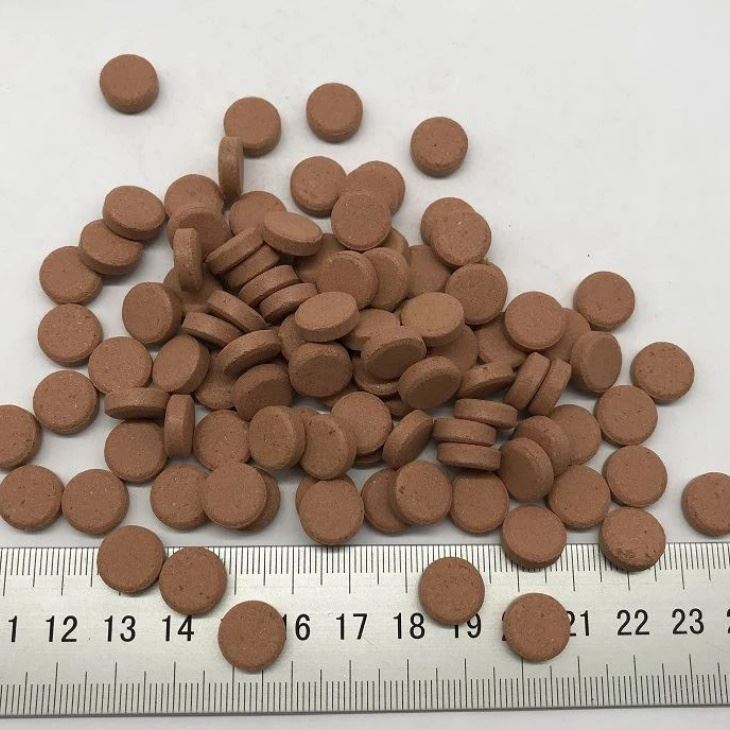
Products Description

Products Feature
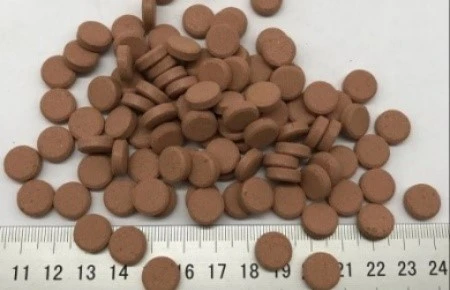
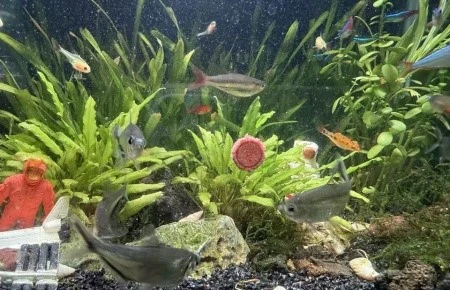
The tablet structure is designed to sink or adhere directly to the aquarium glass, creating a localized feeding point that allows fish to graze naturally while making feeding activity easier to observe.
Controlled tablet density and structural integrity help maintain the feeding surface in water and reduce premature disintegration. Depending on the target species, the tablet can be formulated for bottom-feeding plecos, algae-grazing catfish, herbivorous cichlids, marine herbivores, shrimp and other aquarium animals.
| Crude Protein | Crude Fat | Crude Fiber | Ash | Moisture |
| Min.45% | Min.6% | Max.5% | Max.16% | Max.10% |
Feeding Precautions
Do not leave excessive uneaten tablets in the aquarium for prolonged periods.
Monitor actual feeding response. Adjust feeding quantity according to consumption rather than applying a fixed amount regardless of biomass.
Avoid sudden changes in the feeding program. Introduce the tablet gradually when transitioning from another feed format.
Keep the product dry before use. Moisture exposure can alter tablet hardness, texture and storage stability.

Product Workshop

Certificate

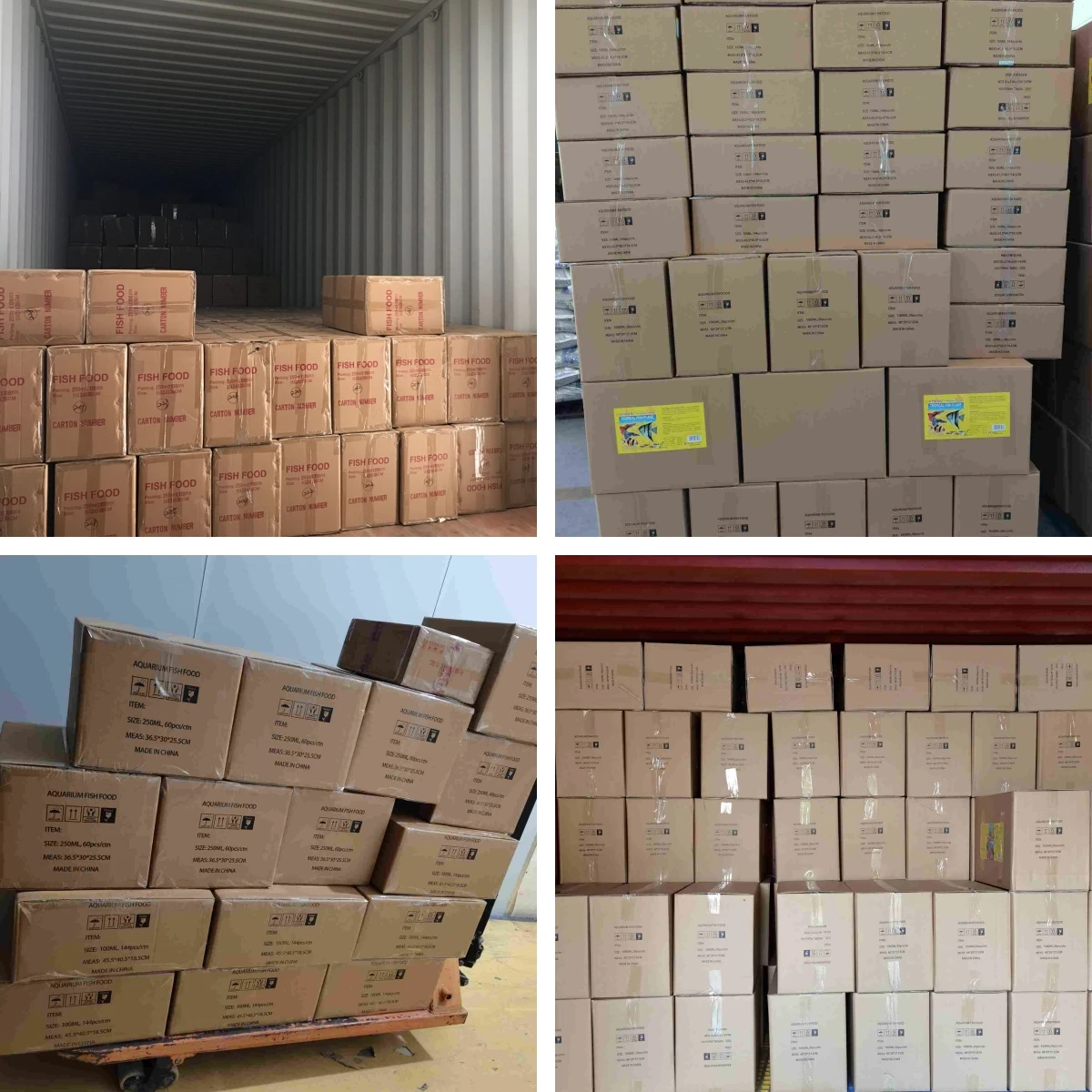
Shipping
FAQ
Q: Will this food cloud my aquarium water?
A: No. The tablet is designed to dissolve slowly, minimizing debris. However, remove uneaten portions after 30-45 minutes.
Q: How should I store the tablets?
A: Keep in a cool, dry place, tightly sealed to prevent moisture absorption and nutrient degradation.
Q: Is this food safe for shrimp and snails?
A: Yes, many invertebrates enjoy krill tablets, but monitor them to ensure they don't overconsume.
Q: Why choose krill over other protein sources?
A: Krill is more sustainable and nutrient-rich than fishmeal or plant-based proteins, offering superior digestibility and health benefits.
Hot Tags: Krill Tablets Aquarium Fish Food, manufacturers, suppliers, factory, wholesale, Discus Bits Food, Vacation Fish Food Feeder, Algae Wafers Fish Food, Goldfish Food Pellets, Flowerhorn Fish Food, Fish Food Pellets


