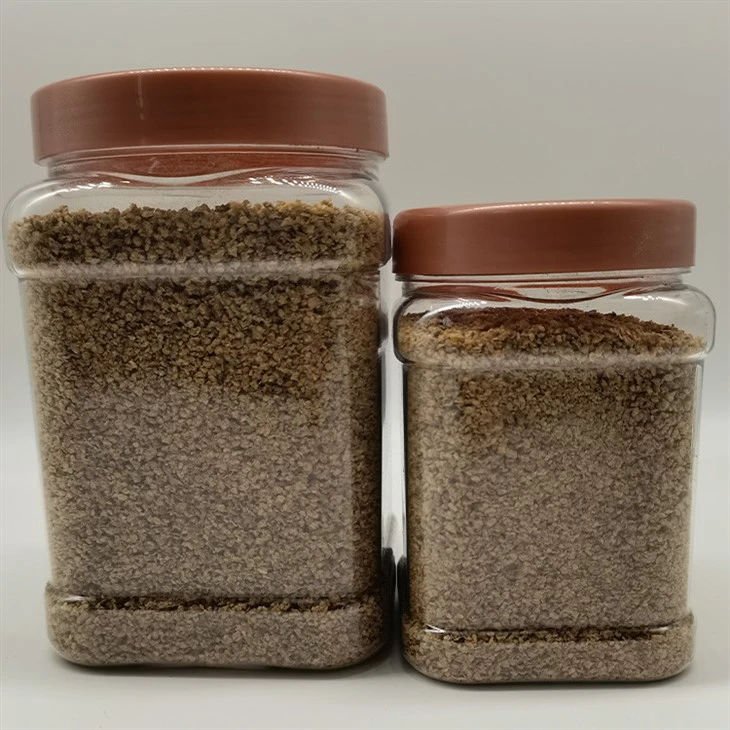
Dried Daphnia

Dried Daphnia

SIZE1: 60g/500ml→56pcs/ctn
SIZE2: 120g/1000ml→40pcs/ctn
Send Inquiry

 Dried Daphnia: A Versatile Aquatic Product

Dried Daphnia food
Introduction to Dried Daphnia
Dried daphnia is a product derived from the water flea known as daphnia. Daphnia are tiny crustaceans that play an important role in aquatic ecosystems. When daphnia are dried, they become a valuable resource for various applications.
Dried daphnia have several general characteristics. They are usually small in size, often ranging from a few millimeters to a centimeter in length. Their dried form makes them easy to store and transport. The dried daphnia are lightweight and can be conveniently packaged.


Crude protein Crude fat Crude fiber Crude ash Moisture
min.49% min.7% max.3% max.13% max.8%


characteristics


One of the notable characteristics of dried daphnia is their nutritional value. They are rich in proteins, essential fatty acids, and other nutrients that are beneficial for a variety of organisms. This makes them a popular choice as a food source for fish, amphibians, and other aquatic animals.

In addition to their nutritional benefits, dried daphnia also have certain characteristics that make them suitable for different uses. For example, they can be used as a bait for fishing, as a supplement in aquaculture, or as a food source for pets. 

  • modular-1

    The drying process of daphnia involves removing the moisture from the live organisms. This can be achieved through methods such as air drying or freeze drying. The resulting dried daphnia have a longer shelf life compared to live daphnia.

  • Overall, dried daphnia are a unique product with distinct characteristics that make them valuable in various fields. Their small size, nutritional content, and ease of storage and transportation make them an important resource for many applications.

Benefits of Dried Daphnia
Nutritional Value for Aquatic Life
Dried daphnia is a rich source of essential nutrients for various aquatic organisms. It contains high levels of protein, which is crucial for the growth and development of fish, amphibians, and other aquatic animals. According to research, dried daphnia can contain up to 50% protein by weight. This makes it an ideal food source for organisms that require a high-protein diet.
In addition to protein, dried daphnia also contains essential fatty acids. These fatty acids are important for maintaining healthy cell membranes and for the proper functioning of the nervous system. They also play a role in reducing inflammation and improving immune function.
Dried daphnia also contains other important nutrients such as vitamins and minerals. For example, it is a good source of vitamin B12, which is essential for the production of red blood cells and for maintaining a healthy nervous system. It also contains calcium, phosphorus, and iron, which are important for bone health, energy metabolism, and oxygen transport.


Dried Daphnia food for fish

model of dried daphnia

Dried Daphnia for fish

Best aquarium fish food for dried daphnia
Economic Benefits
Dried daphnia offers several economic benefits. One of the main advantages is its cost-effectiveness. Compared to other types of aquatic food sources, dried daphnia is relatively inexpensive. This makes it an affordable option for aquaculture operations, fish hobbyists, and pet owners.
Another economic benefit of dried daphnia is its wide availability. It can be easily purchased from pet stores, online retailers, and aquaculture supply companies. This makes it convenient for users to obtain the product when they need it.
In addition, dried daphnia can help reduce the cost of feeding aquatic organisms. Since it is a concentrated source of nutrients, a small amount of dried daphnia can provide a significant amount of nutrition. This can lead to savings in feed costs over time.
Moreover, the use of dried daphnia can also have a positive impact on the environment. By providing a sustainable food source for aquatic organisms, it can help reduce the demand for wild-caught fish and other aquatic resources. This can help protect aquatic ecosystems and promote sustainable aquaculture practices.


suitable fish groups


Dried Daphnia for Goldfish


How to Use Dried Daphnia
 
For Aquarium Owners
For aquarium owners, dried daphnia can be a valuable addition to their fish's diet. It should be offered in moderation to avoid overfeeding. A small pinch of dried daphnia can be sprinkled on the water surface once or twice a day, depending on the number and size of the fish. Some aquarium owners prefer to soak the dried daphnia in water for a few minutes before feeding to make it easier for the fish to consume.
It's important to note that different fish species may have different preferences and feeding requirements. Some fish may be more inclined to eat dried daphnia than others. Owners should observe their fish's behavior and adjust the amount and frequency of feeding accordingly. Additionally, proper filtration and water quality maintenance are crucial when using dried daphnia in aquariums, as uneaten food can contribute to water pollution.

In Commercial Aquaculture

In large-scale aquaculture operations, dried daphnia plays a significant role. It can be used as a supplementary feed to enhance the nutritional value of the diet for farmed fish and other aquatic organisms. Due to its high protein content and other beneficial nutrients, it helps promote growth and improve the overall health of the cultured species.
Commercial aquaculture facilities often incorporate dried daphnia into their feeding schedules in a controlled manner. The amount of dried daphnia used depends on factors such as the species being cultured, their stage of growth, and the overall diet composition. It may be mixed with other feeds or offered separately at specific times.
Moreover, the convenience of storage and transportation of dried daphnia makes it an attractive option for commercial aquaculture. It can be easily stocked and distributed as needed, ensuring a consistent supply of nutrition for the cultured organisms. However, proper handling and storage conditions are essential to maintain the quality and nutritional value of the dried daphnia. This may include keeping it in a cool, dry place and protecting it from moisture and pests.


Conclusion


In conclusion, dried daphnia is a remarkable aquatic product. It offers numerous benefits, from its high nutritional value for a wide range of aquatic life to its economic advantages in both home aquariums and commercial aquaculture. With its ease of use and availability from various sources, it has become an essential choice for those looking to enhance the health and well-being of their aquatic pets or boost productivity in aquaculture. Suitable for many fish groups, dried daphnia is truly a versatile addition to the world of aquatic care.


Frequently Asked Questions


How can we guarantee quality?

+

-

Always a pre-production sample before mass production; Always final Inspection before shipment;

Whether you could make our brand on your products?

+

-

Yes. We can print your Logo on both the products and the packages if you can meet our MOQ.

Why should you buy from us not from other suppliers?

+

-

We are a modern enterprise integrating scientific research, production, sales, international trade and technical service.We have been the best professional Artemia cysts producing enterprise in China. We have rich natural resources and efficient production technology.

What services can we provide?

+

-

Accepted Delivery Terms: FOB,CFR,CIF; Accepted Payment Currency:USD,EUR,CNY; Accepted Payment Type: T/T,L/C,PayPal; Language Spoken:English,Chinese

What is your MOQ?

+

-

Minimum order is 50kgs.


Hot Tags: dried daphnia, manufacturers, suppliers, factory, wholesale

Xiamen Water Life Imp. & Exp. Co., Ltd

We are always looking for ways to improve our pet food recipes and as specialists we will continue to focus on health, welfare and conservation and improving the standard of pet diets.

Send Inquiry