Introduction
Black soldier fly larvae (BSFL) are a potential alternative protein source for commercial aquafeed and selected pet food formulations. Replacing part of the fishmeal with BSFL meal requires evaluation of protein quality, essential amino acids, digestibility, processing methods and feed performance. For feed manufacturers and distributors, the purchasing decision should consider both ingredient specifications and the cost of producing a unit of animal biomass.
WATER LIFE supports B2B inquiries for dried black soldier fly products and commercial feed ingredient sourcing. Product specifications, availability and OEM options should be confirmed for each project.
1. BSFL Meal as a Fishmeal Substitute: Formulation and Cost
Fishmeal supplies protein, essential amino acids, minerals and other nutrients used in commercial feed. BSFL meal offers an alternative protein source, but its nutritional composition varies with larval stage, rearing substrate and processing method.
A 15–30% fishmeal replacement range may be considered as an initial formulation scenario for research or product development. It is not a universal recommendation or a verified performance claim for WATER LIFE products.
Key Formulation Considerations
When evaluating BSFL meal for aquaculture or pet food, consider:
| Formulation Parameter | Evaluation Focus |
|---|---|
| Protein concentration | Compare crude protein on the same moisture or dry-matter basis. |
| Amino acid balance | Check lysine, methionine and other essential amino acids against the requirements of the target species. |
| Digestibility | Evaluate available nutrient supply rather than relying solely on total protein. |
| Lipid composition | Determine whether the ingredient supplies the required energy and fatty acids. |
| Chitin content | Consider its potential influence on digestibility and feed performance. |
| Feed cost | Compare the cost of the complete formulation, not just the price per kilogram of insect meal. |
For bulk buyers: Contact WATER LIFE to discuss product availability, ingredient specifications and sourcing requirements for commercial feed development.
2. BSFL Meal vs. Fishmeal: Nutritional and Processing Differences
The nutritional value of BSFL meal depends strongly on whether the product is full-fat, partially defatted or defatted. Fishmeal composition also varies with raw material and processing.
| Parameter | BSFL Meal | Fishmeal | What Buyers Should Check |
|---|---|---|---|
| Crude protein | Varies with processing and residual lipid | Varies with fish species and production method | Actual analytical results and moisture basis |
| Lysine and methionine | May require formulation adjustment | Often contributes substantial essential amino acids | Amino acid profile and digestibility |
| Crude lipid | Depends on full-fat or defatted form | Varies by raw material | Energy density and fatty acid profile |
| Chitin | Naturally present in insect material | Not a comparable structural component | Chitin or fiber data where relevant |
| Moisture and ash | Depend on raw material and processing | Depend on raw material and processing | Product-specific limits and test results |
| Processing | May include drying and oil removal | Commonly includes cooking, pressing and drying | Processing records and finished-product specifications |
This table describes general ingredient differences, not guaranteed specifications for a particular product.
Amino Acids and Fatty Acids
Lysine and methionine are important formulation parameters because an imbalance can limit the utilization of dietary protein. Where suitable data are available, digestible amino acid values are more useful than total amino acid concentrations alone.
BSFL lipid composition also differs from that of fishmeal and fish oil. Buyers formulating feeds for species with specific EPA and DHA requirements should assess the complete fatty acid profile and determine whether additional lipid sources are necessary.
Important: Do not assume that BSFL meal can replace fishmeal at a one-to-one inclusion rate without reformulating the diet.
3. FCR, SGR and Feeding-Trial Evaluation
Published studies have investigated BSFL meal in different aquaculture species, including salmonids, tilapia and whiteleg shrimp. However, results cannot automatically be transferred between species, life stages or feed formulations.
For commercial development, evaluate the following indicators:
>FCR: Feed consumed relative to biomass gain.
>SGR: Daily growth rate calculated from initial and final body weight.
>Survival rate: Particularly important in shrimp and hatchery applications.
>Feed intake: Helps identify palatability or acceptance issues.
>Digestibility: Assesses nutrient utilization where appropriate testing methods are available.
A lower FCR can indicate better feed efficiency when trials use comparable methods and conditions. It should not be presented as a guaranteed result of replacing fishmeal with insect meal.
A valid comparison requires suitable control diets, documented feed composition, consistent husbandry and recorded trial conditions. Until such data are available, FCR, SGR and survival outcomes should be described as parameters to evaluate rather than product performance claims.
4. Product Quality, Processing and Documentation
For an insect meal aquaculture supplier, product identity, processing consistency and traceability are central purchasing considerations.
Before approving a BSFL ingredient, buyers should request a specification covering the following items.
Product identity and processing
>Declared species and product form.
>Full-fat, partially defatted or defatted status.
>Drying and oil-removal processes, where applicable.
>Raw-material origin and batch traceability.
Nutritional specifications
>Crude protein, crude lipid, moisture and ash.
>Amino acid profile where required.
>Chitin or fiber information where relevant.
>Analytical methods and the basis used to report results.
Safety and quality documentation
>Applicable microbiological test results.
>Contaminant testing appropriate to the ingredient and destination market.
>Batch identification and traceability records.
>Storage conditions, shelf-life information and packaging specifications.
Acceptance limits should be agreed according to the intended application and destination-market regulations. No particular moisture level, sterilization method or pathogen-free claim should be assumed without product-specific evidence.
Full-Fat vs. Defatted BSFL Meal
Full-fat BSFL meal contributes both protein and insect lipid. Defatted BSFL meal generally provides a higher proportion of protein by weight because some of the lipid has been removed.
The appropriate choice depends on the complete feed formulation, energy requirements, ingredient price and processing characteristics. Defatting does not automatically eliminate chitin or correct an amino acid imbalance.
5. Sustainability and Carbon Footprint Considerations
BSFL ingredients may provide an alternative to conventional feed proteins, but their environmental benefits depend on the production system.
For brands with environmental, social and governance (ESG) reporting requirements, a credible comparison should consider:
>Rearing substrate and its origin.
>Energy used for drying and oil extraction.
>Processing yield and transport.
>Allocation of environmental impacts between meal and co-products.
>The functional unit and system boundaries used in the assessment.
ISO 14067 provides guidance for quantifying the carbon footprint of products. However, using BSFL meal does not automatically demonstrate a lower carbon footprint than fishmeal.
Avoid specific carbon-reduction percentages unless they are supported by an appropriate life-cycle assessment (LCA) or product carbon footprint study. Buyers should request supplier-specific environmental data when such information is required for sustainability reporting.
6. BSFL Product Sourcing and OEM Requirements
WATER LIFE welcomes inquiries from commercial feed manufacturers, distributors and brands exploring dried black soldier fly products.
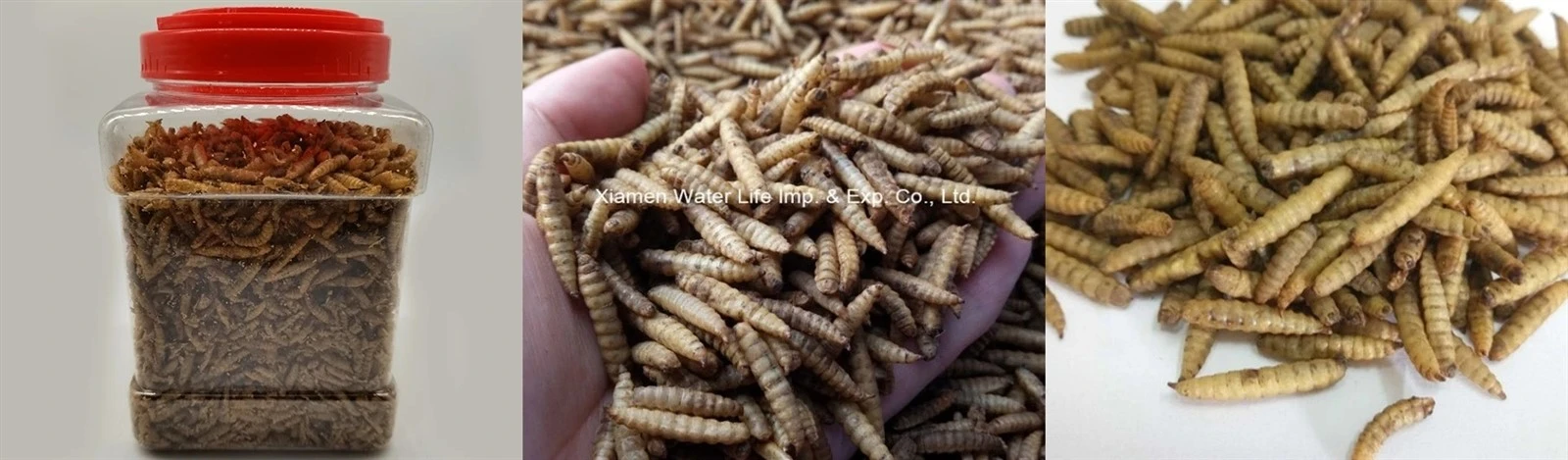
The product form and intended application should be confirmed before a quotation is prepared. In particular, dried whole larvae and processed insect meal are different product forms and should not be treated as interchangeable.
For further product information, visit sustainable BSFL insect meal supplier.
Information to Include in a Wholesale Inquiry
To help assess your requirements, please provide:
>Product form: Dried whole larvae, full-fat meal or defatted meal, as applicable.
>Application: Aquafeed, pet food or another intended use.
>Target market: Destination country and relevant regulatory requirements.
>Specifications: Required protein, moisture, lipid and other analytical parameters.
>Order quantity: Estimated volume and purchasing frequency.
>Packaging: Bulk packaging or other specified format.
>Documentation: COA, applicable test reports, traceability information and export documents.
OEM or private-label options should be confirmed based on the actual product, production capabilities, packaging requirements and order volume. MOQ, lead time and available documentation should be agreed before purchase.
Our Products