

Frozen Daphnia vs. Fresh Cyclops: Which Is Better for Small Fish and Fry?
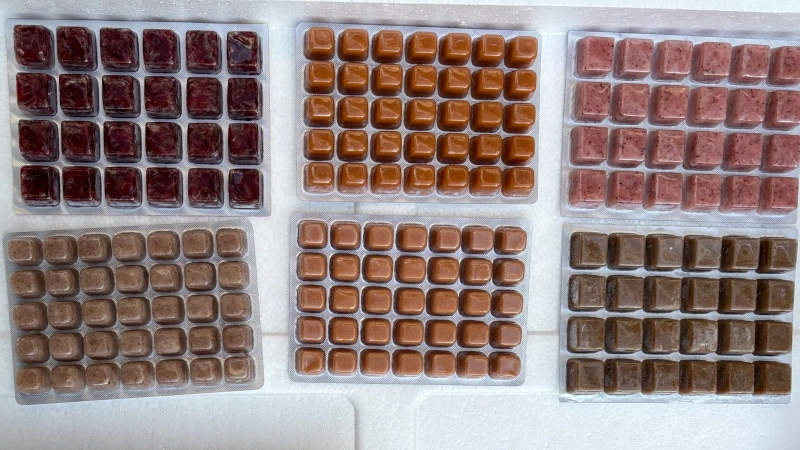
Frozen Daphnia are small freshwater crustaceans preserved by freezing. They are often used as a natural food for small and medium-sized aquarium fish. Their bodies provide a source of protein and other nutrients, while their size and texture make them suitable for fish that can swallow them comfortably.
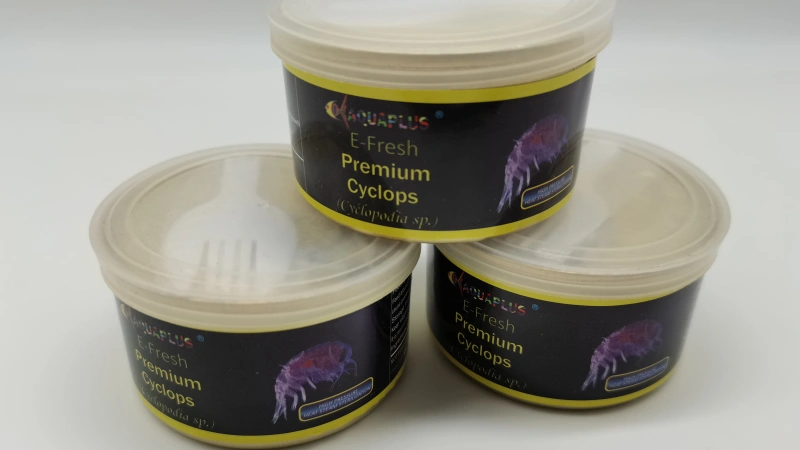
Fresh Cyclops are tiny aquatic crustaceans supplied in a fresh, moist form. They are particularly worth considering for fish that prefer smaller food items. Depending on the product and its processing method, storage and feeding instructions may differ, so buyers should check the product label before use.
Frozen Daphnia vs. Fresh Cyclops
| Comparison | Frozen Daphnia | Fresh Cyclops |
|---|---|---|
| Product Form | Frozen aquatic food | Fresh, moist aquatic food |
| Food Size | Often more noticeable in size, depending on the product | Generally very small, depending on the product |
| Use | Fish that can comfortably eat Daphnia | Fish that accept very small food items |
| Storage | Keep frozen according to the label | Follow the product's stated storage conditions |
| Feeding Tip | Thaw a small portion before feeding | Feed an appropriate amount according to the product instructions |
Which Fish Can Eat Frozen Daphnia or Fresh Cyclops?
Frozen Daphnia for suitable aquarium fish
Frozen Daphnia for suitable aquarium fish
Frozen Daphnia can be offered to many small and medium-sized freshwater fish, including guppies, mollies, platies, and some tetras. The best choice depends on the size of the Daphnia and the fish. If the food is too large, the fish may struggle to swallow it or leave pieces uneaten.
Fresh Cyclops for fish that prefer tiny food
Fresh Cyclops may be a useful option for small fish that readily accept tiny aquatic food items. Some tetras, rasboras, and other small freshwater species may accept them, depending on the size of the fish and the product. Always observe the fish during feeding instead of assuming every species will eat the same food.
Fish fry do not all have the same feeding needs. Newly hatched fry may need specially sized first foods, while larger juveniles may accept small Cyclops or finely divided frozen Daphnia. Check that the food is small enough to swallow and that the fish can digest it comfortably.
How Can You Feed Them Without Making the Water Dirty?
For Frozen Daphnia: Take out only the amount you need. Thaw it according to the product instructions, then offer small portions that the fish can finish within a short time. Remove any uneaten food to prevent unnecessary waste from accumulating in the aquarium.
For Fresh Cyclops: Follow the storage and serving instructions for the specific product. Start with a small amount and watch how quickly the fish eat it. If the food remains uneaten, reduce the next feeding and remove the leftovers where practical.
Final Thoughts
For aquarium distributors, retailers, and fish farms, choosing between Frozen Daphnia and Fresh Cyclops involves more than comparing the price per kilogram. Buyers should check the product's actual size, appearance, packaging, net weight, storage requirements and shelf life.
For frozen products, a reliable cold chain and suitable freezer storage are important. For fresh or moist products, buyers should confirm the required storage temperature and handling instructions. These details affect product condition during transport, warehousing, and distribution.
Frozen Daphnia and Fresh Cyclops can both be useful foods for aquarium fish, but the right choice depends on the fish you keep, the size of the food, and how you plan to store and serve it. Start with the feeding needs of your fish, compare the product details, and offer only what they can eat.
For product information, visit the Frozen Daphnia product page or the Cyclops product page.