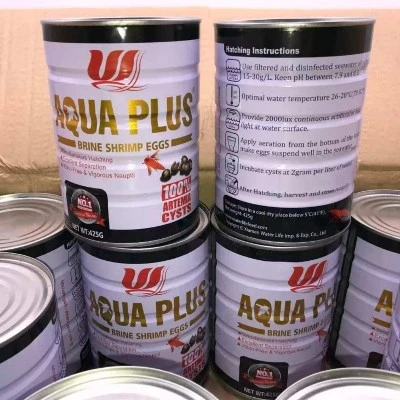
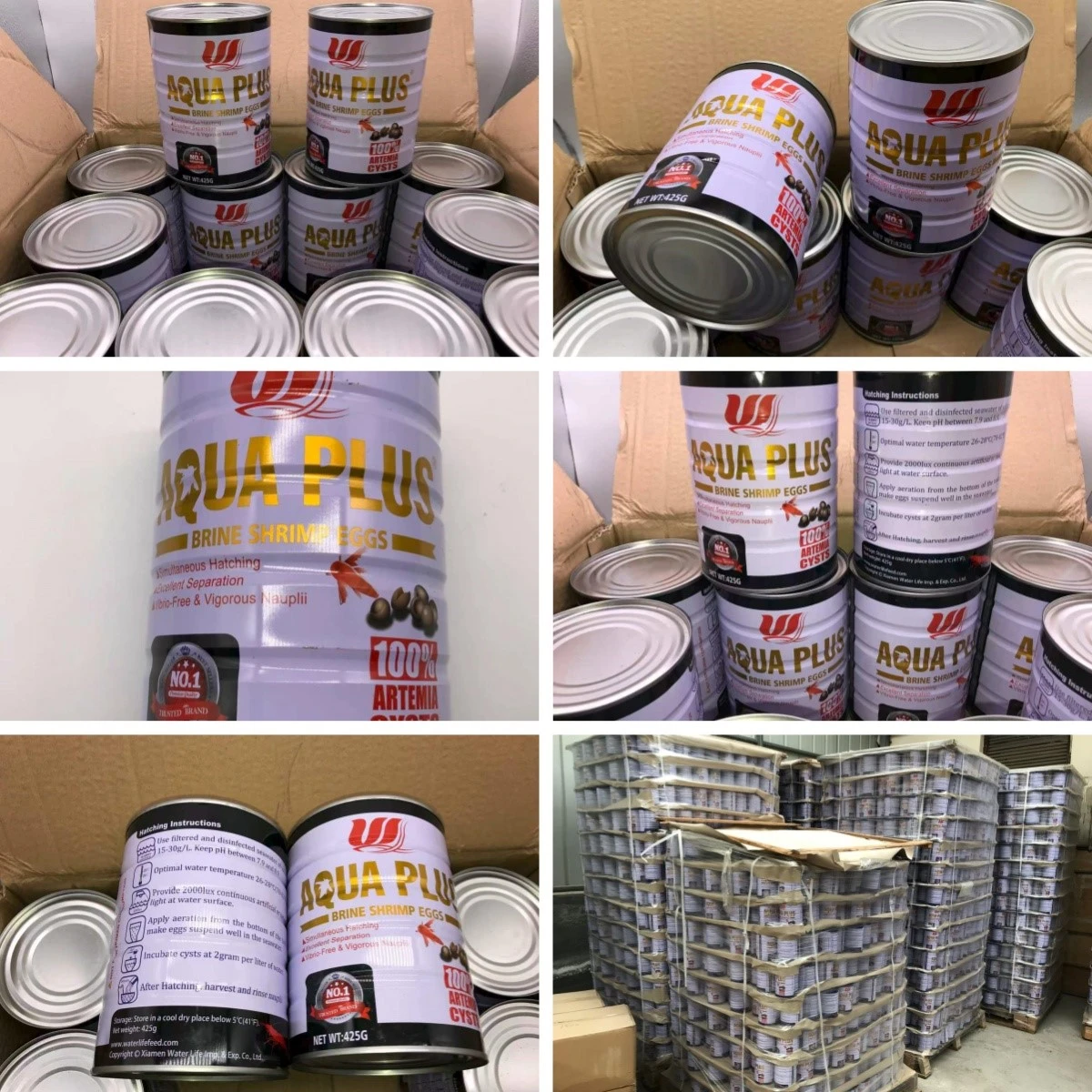
Remarkable Quality Salt Lake Artemia Cysts

Remarkable Quality Salt Lake Artemia Cysts

SIZE(425g):12pcs/ctn
Send Inquiry

Products   Introduction

artemia cysts Brine Shrimp Eggs

Remarkable Salt Lake Artemia Cysts represent the pinnacle of aquaculture nutrition, harvested from the pristine hypersaline waters of China's inland salt lakes. These dormant embryos of Artemia (Brine Shrimp) serve as the gold standard live feed for larval fish, shrimp, and crustaceans in commercial hatcheries worldwide.

Our Artemia cysts undergo a rigorous 12-step processing protocol that ensures unparalleled hatch rates and nutritional consistency. Sourced from sustainable populations in ecologically balanced salt lake ecosystems, these cysts provide the ideal first feed for over 85% of marine species cultivated in aquaculture operations.

The unique geographical conditions of our collection sites-with mineral-rich waters and stable salinity gradients-produce cysts with exceptional biochemical profiles. Each batch is laboratory-verified for optimal fatty acid composition (particularly EPA and DHA), protein content, and energy density to support rapid larval development.

Production  Process


GSL brine shrimp eggs

Key Features and Benefits

Superior Hatch Performance:

Average hatch rate exceeding 90% under optimal conditions

Synchronous hatching within 18-20 hours at 28°C

Nauplii emerge with substantial yolk reserves for extended nutritional value

Nutritional Excellence:

48-52% crude protein content (dry weight basis)

18-22% lipid content with 8-12% essential fatty acids

Balanced amino acid profile matching marine larval requirements

Natural carotenoid pigments (astaxanthin 250-350 mg/kg) for enhanced coloration

Quality Consistency:

Particle size uniformity (220-280μm) for precise feeding

<5% empty shells post-hatching

<0.5% debris content after processing

Moisture content maintained at 5-8% for optimal preservation

Operational Advantages:

98% decapsulation success rate for specialized applications

Low bacterial load (<1000 CFU/g) reduces disease risk

Excellent flotation characteristics for easy separation


Products   Nutrition


GSL artemia cysts

Remarkable Salt Lake Artemia Cysts establish a new benchmark in live feed nutrition, combining exceptional hatch performance with scientifically validated nutritional profiles. Our vertically integrated supply chain-from sustainable harvesting to precision processing-ensures consistent quality that translates to measurable improvements in larval survival rates, growth performance, and operational efficiency for aquaculture operations.

Backed by comprehensive technical support and rigorous quality assurance, this product delivers unmatched value for hatcheries cultivating high-value marine species. The superior fatty acid profile and pigment content naturally enhance larval development while reducing dependence on supplemental enrichment.

For operations demanding the highest standards in larval nutrition, Remarkable Salt Lake Artemia Cysts provide the optimal balance of biological performance, operational reliability, and cost-effectiveness. Contact our technical team to discuss customized implementation protocols for your specific aquaculture application.

Related  Certificates


Inspection certificate for Marine fish flake fish food

details4-6.jpg

Frequently Asked Questions


Q: What makes Salt Lake Artemia superior to coastal Artemia?
A: Inland salt lake Artemia has evolved unique biochemical adaptations to harsh, mineral-rich environments. They typically contain:

15-20% higher essential fatty acids

30-50% more carotenoid pigments

More consistent size distribution

Lower pollutant risk (no coastal industrial exposure)

Q: How should I adjust the catching protocol for cold-water species?
A: For temperatures below 25°C:

Extend hydration to 45 minutes

Reduce salinity to 25‰

Expect hatching at 24-28 hours

Hatch rates remain >85% down to 20°C

Q: What's the recommended cyst: water ratio for small-scale hatcheries?
A: For volumes <20L:

Use 1.5-2g cysts per liter

Increase aeration to 3 LPM/L

Reduce container diameter to maintain water column <40cm

Harvest 1 hour earlier than standard protocol

Q: How do I assess cyst quality upon receipt?
A: Conduct a 3-point check:

Visual: Cysts should be uniform brown without white spots (indicating mold)

Float Test: ≥95% should float in freshwater after 15 minutes

Quick Hatch: 70% hatch within 16 hours indicates proper processing

Q: Can these cysts be used for direct feeding without hatching?
A: Yes, for certain applications:

Decapsulated cysts make excellent feed for small crustaceans

Soaked (but unhatched) cysts suit some freshwater fish larvae

Nutritional value differs significantly (lower EPA/DHA, higher chitin)

Recommend trial feeding before full implementation

Q: What causes low hatch rates, and how to troubleshoot?
A: Common issues and solutions:

Table 5: Hatch Rate Troubleshooting

Symptom

Possible Cause

Solution

<80% hatch

Old stock/improper storage

Test new batch, verify storage temp

Asynchronous hatching

Temperature fluctuations

Use a water bath with ±0.3°C control

Many floating shells

Insufficient aeration

Increase to 3 LPM/L, check diffuser

Bacterial blooms

Poor water quality

Use sterilized salt, add 1 ppm EDTA

Cysts clumping

Inadequate hydration

Extend pre-soak to 45 minutes

Q: How does decapsulation affect nutritional value?
A: Our controlled decapsulation process:

Removes the outer layer (chorion) while preserving the embryo

Increases digestibility by 15-20%

Reduces bacterial load by 99%

Slightly decreases EPA (∼5%) but improves bioavailability

Allows direct feeding without hatching equipment


Hot Tags: remarkable quality salt lake artemia cysts, manufacturers, suppliers, factory, wholesale, Shrimp Larval Feed Products, unshell brine shrimp eggs, Bohai Bay Artemia Cysts, China brine shrimp eggs, artemia eggs, cheap artemia cysts

Xiamen Water Life Imp. & Exp. Co., Ltd

We are always looking for ways to improve our pet food recipes and as specialists we will continue to focus on health, welfare and conservation and improving the standard of pet diets.

Send Inquiry